.
.
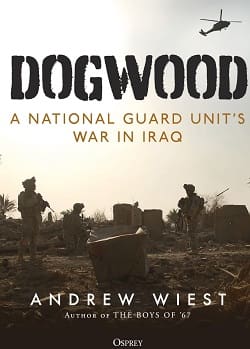
by Andrew Wiest.
Hardback (6.4×9.5 inches). 351 pages. 2025.
The US invaded Iraq to overthrow Saddam Hussein, keep the world safe from weapons of mass destruction, and begin the domino theory of bringing freedom and democracy to Iraq and then the Middle East. Well, things didn’t quite work out as planned, but you couldn’t fault the 150th Combat Engineer Battalion of the Mississippi National Guard.
After call up and a few months of training, they were sent into the so-called Triangle of Death in Anbar Province. This is the same deadly place discussed in the book Black Hearts and Painted Guns.
The good news is that the 150th was an engineer unit, so it could build just about anything. The bad news is that it was mostly used as a combat unit, driving around in unarmored or under-armored vehicles trying to spot IEDs and capture insurgents. The jury-rigging of armor on the Humvees and M113s helped mitigate, but not negate, some of the IED damage.
Indeed, the second day of deployment at Forward Operating Base Dogwood, a patrol ran over an IED and one soldier was killed. The unit brought in a psychologist to help deal with the grief.
The worse news is that they deployed companies elsewhere and were short the manpower needed to police the territory assigned. Only later did a detached company return and the battalion could do proper seal, search, and detain ops. The armaments they found buried in all sorts of places would amaze you.
The key “win hearts and minds” component of counter-insurgency relies on a relatively safe environ. The insurgents killed any who even looked like they were helping the US and threatened the rest. Finally, after about eight or nine months, the manpower returned, an informant pointed out the insurgent terrorists, and those that did not surrender were killed trying to attack or flee. It wasn’t easy and many Guardsmen were killed or wounded from IEDs, but the 150th slowly gained the upper hand. Medical and dental care was a big plus towards convincing villagers that Americans were not so bad.
Eventually, the unit was rotated home and the US drew down its fighting strength. FOB Dogwood was abandoned only to be re-occupied by a later counter-insurgency effort…and later abandoned.
The book contains 39 color photos and three black and white maps.
Of course, there’s much more to this unit history than my summary. Wiest is at his best delving into the individuals, their personal situations, and how the deployment affected them over the months. His interviews with members of the unit offers the details and nuances that can be lost in a more operational book. The return home highlighted some of the PTSD problems that plagued some of the troops. Well done.
Enjoyed it.
— Reviewed by Russ Lockwood